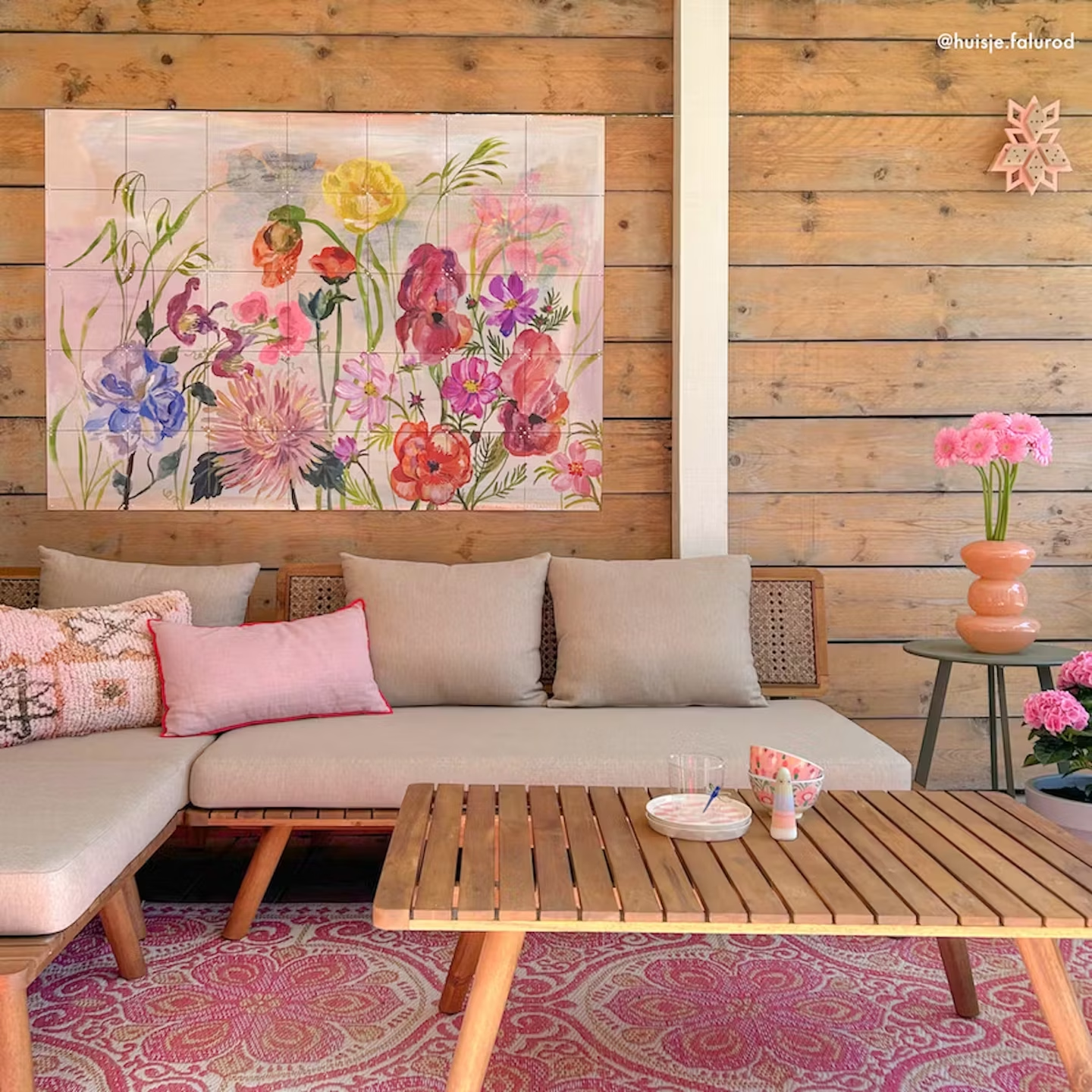
An IXXI can hang there. Three things are worth knowing first, because a wall outdoors has a harder life than one inside.
Where does it last longest?
Under an overhang, an awning or the edge of a roof. Not because the material cannot take a shower — the cards are moisture resistant and tear-proof — but because full sun and driving rain age everything outdoors, from garden cushions to wooden fencing.
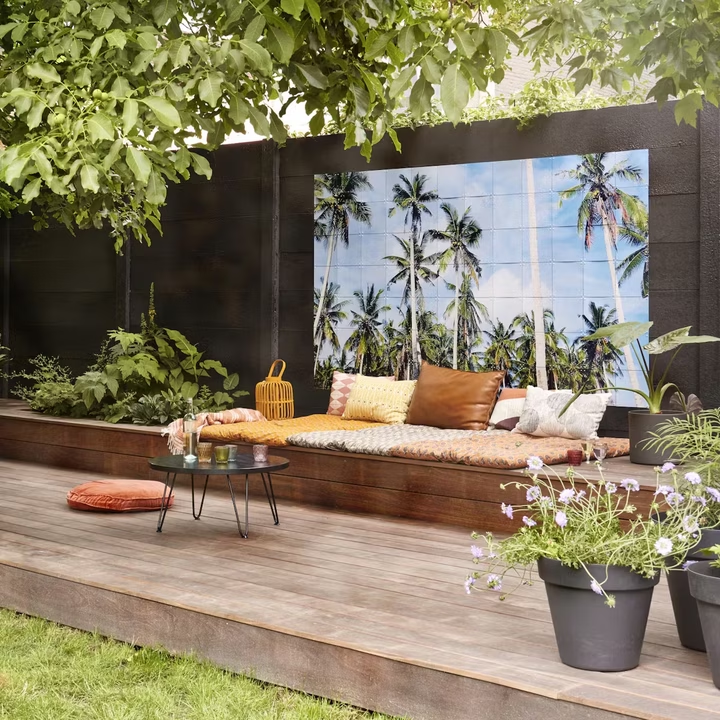
A partly sheltered spot, then, is not a compromise. It is simply the best spot — and one you get something out of indoors as well, since you look straight at it from the window.
How do you stop the wind taking it?
Outdoors there is wind, and wind catches a flat surface. Where the standard power strips are enough indoors, outside you want more grip:
- extra power strips, spread across the surface rather than only at the corners
- or a screw through every other wall clip
That second one does mean drilling. Indoors there is never any need for it, but on a garden wall or a shed panel few people mind a screw — and it is the difference between wall art that stays put and wall art you retrieve from the hedge.
The full step-by-step for mounting is in the manual.
What about winter?
Bring it inside. Not because it will not survive, but because nobody sits in the garden in January and there is a bare wall indoors.
That is the practical side of loose cards: unclip it, hang it somewhere inside, or take it apart and store it flat. In spring it goes back out. No storage problem, no decoration thrown away.
Which images hold up outdoors?
Outdoors your wall art is up against real greenery, real sky and real light, and you look at it from further away than you would inside. Which images hold their own is covered in wall decoration for your garden, balcony or terrace.
Why adaptable wall art
You click light, tear-proof cards together with X-connectors and hang them without drilling. You decide the size and the design yourself. Outdoors that means it moves inside in autumn instead of being written off — the same IXXI, a different wall.